
Introduction: Why “Being Online” Is Not Enough Anymore
Almost everyone today is “online”. Most people have an Instagram page, a WhatsApp Business number, or even a website. However, being online does not automatically lead to trust, inquiries, or sales. Many freelancers, small business owners, founders, and personal brands struggle because their digital presence lacks clarity and direction. A strong online presence is not about posting every day or copying competitors. Instead, it is about helping people quickly understand who you are, what you offer, and why they should trust you. When your message is clear and consistent, visitors feel confident taking the next step. This guide explains what truly matters when building a strong online presence and how to create one that attracts the right audience, builds credibility, and converts attention into real opportunities over time.
Yet most of them:
- Don’t get consistent inquiries
- Don’t look trustworthy
- Don’t convert visitors into customers
A powerful online presence is not about visibility alone.
It’s about clarity, credibility, and consistency.
This guide is written for:
- Freelancers
- Small business owners
- Founders
- Individuals building a personal brand
If you’re starting from scratch—or rebuilding after confusion—this article will show you what actually matters.
What “Online Presence” Really Means (Most People Get This Wrong)
An online presence is not:
- Posting daily quotes
- Running ads without strategy
- Copying what others are doing
A strong online presence means:
When someone discovers you online, they understand who you are, what you do, and why they should trust you—within seconds.
That clarity is what converts attention into opportunity.
The 4 Core Pillars of a Strong Online Presence
Every successful digital brand—big or small—rests on four pillars.
If even one is weak, the whole system suffers.
1. Clear Positioning: Who You Help & How
Before design.
Before marketing.
Before SEO.
You need positioning.
Ask yourself:
- Who is this for?
- What problem do I solve?
- Why should someone choose me instead of others?
Bad positioning:
“I do web design, graphics, SEO, apps, everything.”
Strong positioning:
“I help individuals and small businesses build clean, conversion-focused digital presence.”
Clarity beats talent.
Every single time.
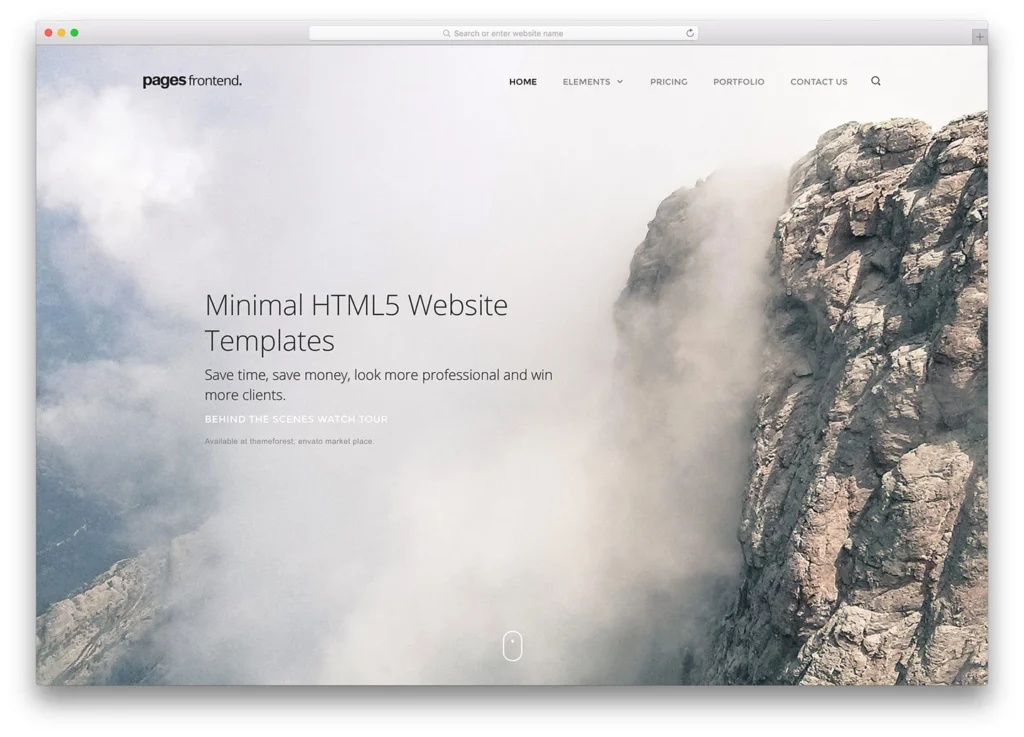
2. A Website That Builds Trust (Not Just Looks Good)
Social media is rented land.
Your website is your home.
A powerful website does three things:
- Builds trust
- Explains your value
- Guides action
It does not need to be expensive.
It needs to be intentional.
Minimum Pages You Actually Need
- Home
- About (story, not resume)
- Services (clear outcomes)
- Contact
- Legal pages (privacy, disclaimer)
That’s enough to start strong.
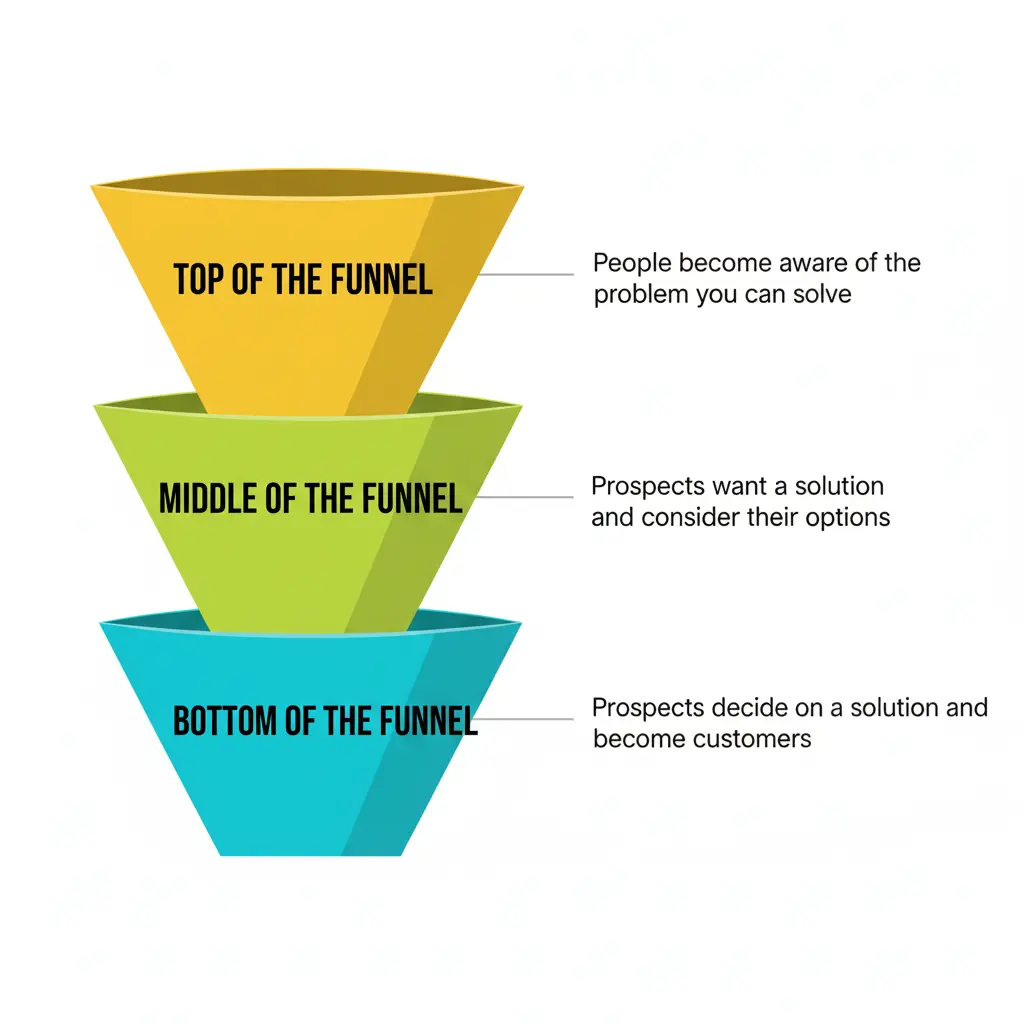
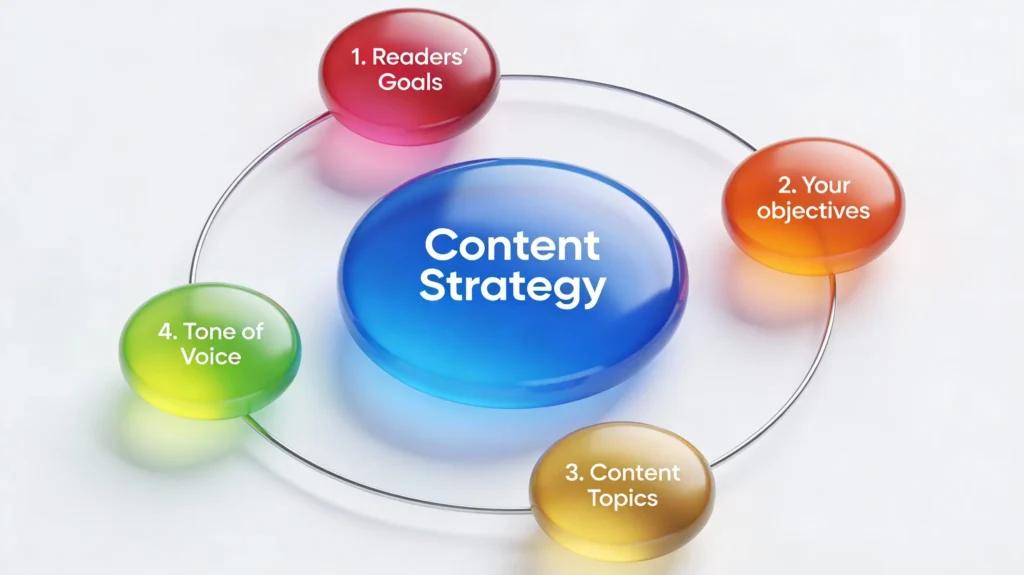
3. Content That Educates (Not Entertains)
Most people post to get likes.
Brands post to build belief.
Your content should answer:
- Common questions
- Common fears
- Common mistakes
- Common misconceptions
Blogs, posts, and captions should make readers think:
“This person understands my problem.”
That’s how authority is built quietly.
4. Consistency Over Intensity
Posting 30 days and disappearing for 6 months does nothing.
A simple rule:
One good blog + weekly repurposed content beats daily random posts.
Consistency creates:
- Familiarity
- Recall
- Trust
And trust is what sells.
Step-by-Step: Building Your Online Presence on a Budget
Let’s make this practical.
Step 1: Define One Clear Message
Write one sentence:
“I help ___ do ___ so they can ___.”
This sentence should guide:
- Your homepage
- Your bio
- Your content topics
Step 2: Build a Simple, Clean Website
Forget fancy animations.
Focus on:
- Readable fonts
- Clear headings
- Real words, not buzzwords
- One primary CTA
Your website should feel calm and confident.
Step 3: Choose ONE Content Platform First
Don’t try everything.
Pick one:
Master one.
Then expand.
Step 4: Answer Real Questions
Use questions people already ask:
- “How much does a website cost?”
- “Do I really need branding?”
- “Why is my website not converting?”
Content that solves problems never goes out of style.
Step 5: Add Soft Calls-to-Action
Not aggressive selling.
Simple, honest lines like:
“If you’re serious about building a strong digital presence, I help individuals and businesses design websites and brands that actually work.”
Let clarity do the selling.
Common Mistakes That Kill Online Presence
Avoid these early:
❌ Copying competitors blindly
❌ Over-designing without strategy
❌ Talking only about yourself
❌ No clear CTA
❌ Inconsistent posting
Most people fail not because of lack of skill—but because of lack of focus.
The Long-Term Mindset (This Matters)
Online presence is not a campaign.
It’s a compound asset.
Done right:
- Your content keeps working
- Your website keeps attracting
- Your brand keeps growing
Slow at first.
Powerful later.
Final Thought: Start Simple, Stay Intentional
You don’t need:
- Big budgets
- Viral content
- Fancy tools
You need:
- Clear positioning
- Honest communication
- Consistent execution
That’s how real brands are built.
Want Help Building This Properly?
If you’re serious about creating a strong, trustworthy digital presence, I help individuals and businesses design websites, branding, and content strategies that actually work.